

Vitamin D in Winter: What You Need to Know
Updated: Sep 29
Sunlight, food, supplements - and how to avoid common mistakes
Shorter days, colder weather, heavier clothing, and far less sunlight. Winter creates the perfect conditions for vitamin D levels to drop-often without us realizing it.
Is diet enough to meet your needs? When does supplementation make sense? And how much vitamin D is actually safe?
Here’s a clear, science-based guide to vitamin D in winter-what it does, where it comes from, and how to use it wisely.
Why Vitamin D Is So Important
Vitamin D is best known for its role in bone health, but its impact goes far beyond that. Research over the past decade has shown that low vitamin D levels are associated with a higher risk of several chronic health conditions.
🦴 Bone Health
Vitamin D helps the body absorb calcium and is essential for maintaining strong bones and preventing bone loss and osteoporosis.
🛡 Immune Support
Adequate vitamin D levels have been linked to improved immune function and a lower risk of respiratory infections, especially during winter months.
❤️ Heart Health
Studies have found associations between low vitamin D levels and increased risk of cardiovascular disease.
🧠 Mental Well-Being
Vitamin D plays a role in brain function, and deficiency has been linked to a higher risk of low mood, depression, and seasonal affective symptoms.
🔥 Metabolic Health
Vitamin D supports insulin regulation and may help reduce insulin resistance, contributing to better metabolic balance and lower risk of type 2 diabetes.
Natural Sources of Vitamin D
☀️ Sunlight - The Primary Source

Vitamin D is produced in the skin when exposed to sunlight. For many people, about 10–15 minutes of midday sun on the face and arms can be enough.
In winter, however, sunlight exposure drops dramatically due to:
Shorter daylight hours
Cold weather and covered skin
More time spent indoors
For people living in northern regions, winter sun is often insufficient to maintain optimal vitamin D levels.
Vitamin D From Food: Helpful, but Limited
🥚 Eggs
Vitamin D is found only in the egg yolk.
One egg provides approximately 1-1.5 micrograms (mcg)
Most adults need 10-15 mcg per day
Eggs contribute some vitamin D-but only a small fraction of daily needs.
🐟 Fatty Fish - The Best Dietary Source
Fatty fish are the richest natural food source of vitamin D.
Salmon (3.5 oz / 100 g): 10-15 mcg
Sardines, mackerel, and herring also provide meaningful amounts
A single serving of fatty fish can cover a large portion-and sometimes nearly all-of daily vitamin D requirements.
🧀 Dairy Products and Yogurt
Dairy contains relatively small amounts of vitamin D unless fortified.
Hard cheeses: ~0.2 mcg per slice
Plain yogurt: ~1 mcg per container
Fortified dairy products: amounts vary (check labels)
Dairy can support intake but is rarely sufficient on its own.
Common Yogurt Myth - Debunked

A widespread belief is that calcium from fat-free yogurt isn’t absorbed because there’s no fat or vitamin D. This is incorrect.
✔ Calcium absorption is not significantly dependent on the fat content of the food
✔ Vitamin D does not need to be present in the same product-once vitamin D exists in the body, it supports calcium absorption from all dietary sources
Fat-free yogurt remains an excellent source of calcium.
🍄 Mushrooms - Only in Specific Cases
Mushrooms can produce vitamin D only when exposed to UV light.
Regular mushrooms contain almost none
UV-exposed mushrooms may contain small amounts
Even then, they play a minor role compared to fish or supplements
When Diet Isn’t Enough
During winter-especially with limited sun exposure and low intake of fatty fish-it becomes difficult to maintain optimal vitamin D levels through food alone. This is why vitamin D supplementation is commonly recommended during colder months, ideally based on blood testing and medical guidance.
Understanding Vitamin D Units: mcg vs. IU
Vitamin D is measured in two units:
Micrograms (mcg)
International Units (IU)
They represent the same substance, just in different units.
Conversion:
1 mcg = 40 IU
1,000 IU = 25 mcg
Always check both the number and the unit on supplement labels to avoid confusion.
Recommended Vitamin D Intake
General guidelines commonly used in clinical practice:
Infants (0-12 months): 400 IU/day
Children & teens: 400-600 IU/day
Adults under 50: ~600 IU/day
Adults over 50: 800-1,000 IU/day
In real-world practice, higher doses are often recommended for people with:
Low blood vitamin D levels
Minimal sun exposure
Higher body weight
Reduced nutrient absorption
In these cases, 1,500-2,000 IU per day may be advised under medical supervision.
There is no single dose that fits everyone-vitamin D needs vary based on age, weight, health status, and lifestyle.
Safety First: How Much Is Too Much?
Long-term intake above 4,000 IU/day may increase risk of side effects
Doses above 10,000 IU/day can lead to vitamin D toxicity
Excess vitamin D may cause calcium buildup in the blood (hypercalcemia), potentially leading to:
Nausea and weakness
Kidney stones
Heart rhythm disturbances
Moderate, informed supplementation is key.
Why Absorption Matters: Special D
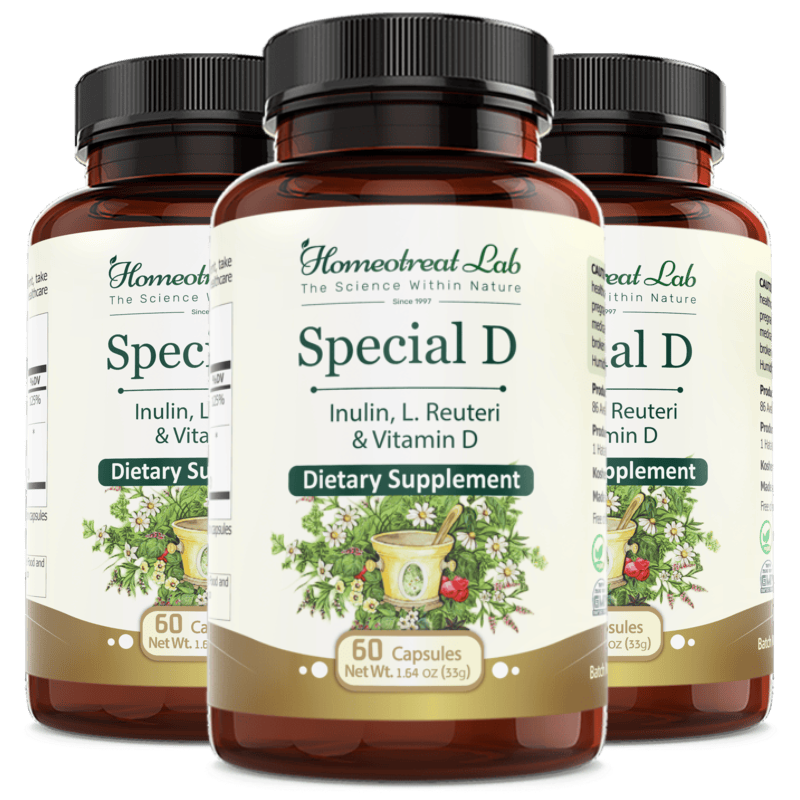
Not all vitamin D supplements work the same way. One major difference between products is how well the body absorbs and utilizes the vitamin.
Many standard supplements provide vitamin D, but absorption can be limited-especially in people with digestive issues or reduced nutrient uptake. Special D was formulated with a focus on enhanced bioavailability, supporting more efficient absorption and utilization of vitamin D compared to conventional formulations.
By addressing absorption rather than just dosage, Special D offers a thoughtful approach for individuals who struggle to maintain healthy vitamin D levels, particularly during winter months when natural production is reduced.
Final Thoughts: Why Vitamin D Deserves Attention
Vitamin D is essential for far more than bone health. It supports immune resilience, cardiovascular function, metabolic balance, and mental well-being. Yet deficiency remains widespread-especially during winter, when sunlight is scarce and dietary sources are limited.
Understanding how vitamin D works, where it comes from, and how to supplement responsibly empowers better long-term health decisions. Whether through sunlight, nutrition, or carefully chosen supplements, maintaining adequate vitamin D levels is a simple but powerful investment in overall wellness-year-round.


Comments